How Do I Document My Stuff Before Movers Wrap It?
When preparing for a move, taking the time to document your belongings before the movers wrap or pack them is one of the smartest steps you can take. Proper documentation not only protects your possessions but also streamlines claims should any damage occur during transit. In this post, I’ll walk you through the essential strategies to photograph valuables before moving, capture pre-existing damage photos, and ensure your move goes smoothly with the right logistics in place.
We’ll also naturally explore insights about Southside Moving (Southside Portsmouth VA Movers), the Federal Motor Carrier Safety Administration (FMCSA), and the Protect Your Move resource to give you a comprehensive move-prep guide.
Why Documenting Your Stuff Before the Move Matters
Before movers arrive, you should be documenting your items for several reasons:

- Protect your valuables: Photographs serve as evidence to support any damage claims.
- Identify pre-existing damage: Highlight scratches, dents, or wear that existed before the move.
- Cut down unpacking time: Knowing exactly what you have packed helps you organize and settle in quicker at your new home.
- Understand non-allowables and safety exclusions: Knowing what movers won’t transport avoids surprises or rejected items on moving day.
Step 1: Declutter to Save Money and Time
I always stress to clients: declutter before you pack. This simple step can drastically reduce moving costs and unpacking headaches.
Movers charge based on volume and weight, so removing items you no longer want or need shrinks the load.
- Separate keep, donate, sell, and toss piles. Be ruthless.
- Dispose of prohibited or hazardous items. Southside Moving, like many reputable movers, won’t transport flammables, explosives, or corrosives. Your internal checklist for such items taped in the kitchen cabinet will save last-minute headaches.
- Use the FMCSA’s “Your Rights and Responsibilities When You Move” booklet and “Ready to Move” brochure to identify non-allowables and safe packing tips.
Step 2: Photograph Valuables Before Moving
Photographing your valuables and furnishings is the backbone of documenting pre-existing condition and serves as your moving claim evidence, if needed.
What to Photograph
- All high-value items: artwork, electronics, antiques, and jewelry.
- Close-ups of any scratches, cracks, or damage already present on furniture and appliances.
- Each room fully packed so you have an overview of the load.
- Serial numbers or ID tags (especially on electronics and appliances).
How to Photograph for Maximum Clarity
- Use good lighting and a steady hand.
- Shoot multiple angles and distances.
- Include a ruler or coin for scale when documenting small damages.
- Keep files organized digitally in folders labeled by room or item.
As a personal quirk, I always keep a running digital album and a printed summary taped inside a kitchen cabinet door for easy access.
Step 3: Measure Large Furniture and Exits
Before the movers arrive, measure key pieces of furniture and critical passageways to anticipate any tight fits. Not doing this can cause delays and potentially damage walls or furniture.
- Measure height, width, depth of sofas, dressers, beds, etc.
- Measure the width of doorways, hallways, elevator interiors, and stairwells.
- Check ceiling heights for bulky items.
Label each room with painter’s tape FMCSA Protect Your Move in big block letters to help movers identify delivery spots quickly and avoid misplaced items.
Step 4: Confirm Truck Parking and Building Access Logistics
Always ask where the moving truck will park before talking about boxes or scheduling loading. This simple question can avert time-consuming moving day snags.
- If you live in condos or apartments, book elevator times in advance through the building management.
- Reserve and confirm parking spaces specifically for the move date, especially in busy areas like Portsmouth, VA.
- Communicate these details to Southside Moving to help them plan their arrival and minimize delays.
- Be mindful of time-of-day restrictions for loading/unloading zones.
Step 5: Understand Non-Allowables and Safety-Based Exclusions
One of the most annoying last-minute surprises is realizing movers won’t take flammables, gas-powered equipment, or other hazardous materials.
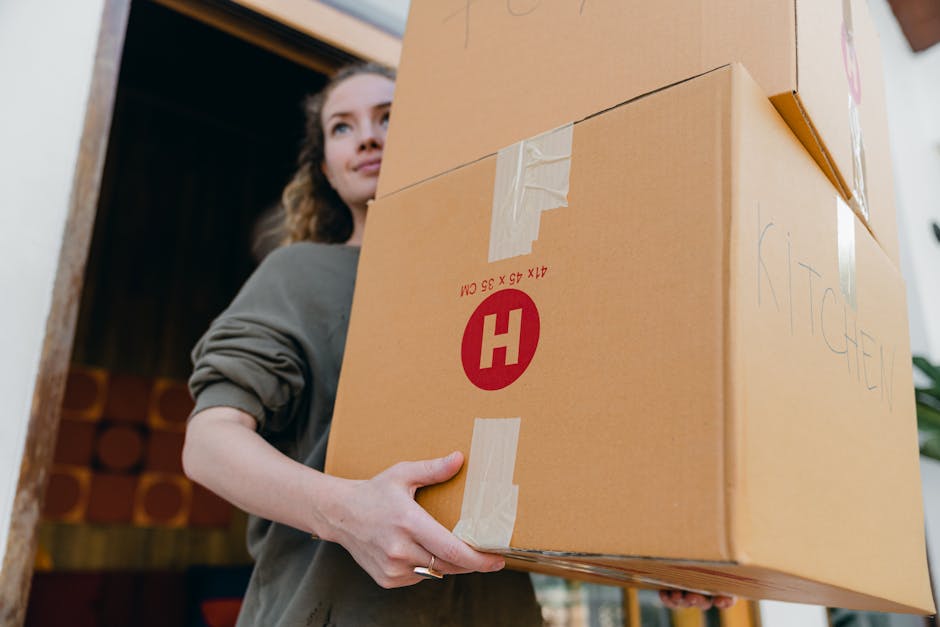
FMCSA guidelines via Protect Your Move provide a helpful list of non-allowable items like:
Category Examples Why Not Allowed Flammables Gasoline, lighter fluid, propane tanks Fire hazard during transit Hazardous Chemicals Paints, solvents, pesticides Toxic fumes or spills Perishables Fresh food, plants, animals Decay, spoilageSouthside Moving enforces these rules strictly to maintain safety — it’s your responsibility to remove these before moving day.
Step 6: Use FMCSA Resources to Know Your Moving Rights
The FMCSA’s Your Rights and Responsibilities When You Move booklet is a must-read. It outlines:
- What to expect from your moving company
- How to file claims
- The importance of performing an inventory check
- Ways to protect yourself from moving fraud
The Ready to Move brochure offers practical tips on packing, labeling boxes by room (not content!), and communicating effectively with your movers.
Pro tip: Avoid labeling boxes by item since it reveals valuables and wastes time unpacking. Instead, use large block room labels with painter’s tape on boxes to keep the move organized and efficient.
Summary Checklist Before Movers Wrap Your Stuff
- Declutter all rooms and remove prohibited items.
- Take thorough photos of valuables and damaged spots.
- Measure large furniture and all relevant exits.
- Confirm truck parking and elevator access with building management.
- Use FMCSA’s Protect Your Move resources to understand your rights and guidelines.
- Label rooms clearly on boxes, not contents.
- Communicate all logistics to your movers, such as Southside Moving, ahead of time.
Final Thoughts
Documenting your belongings before movers wrap or pack them is more than just a checklist item — it’s your best defense against unexpected costs, delays, and damage claims. Whether you’re using trusted movers like Southside Moving in Portsmouth, Va, or handling your own packing, these steps will protect your valuables and empower you throughout your relocation.
Remember: ask about parking first, photograph everything, and lean on FMCSA’s Protect Your Move materials for guidance. This proactive approach ensures a smoother, safer, and less stressful move from start to finish.