How Much Room Do I Need to Roll My Chair Back Safely?
One of the most overlooked yet crucial elements of designing any workspace—whether it’s a home office, a compact apartment setup, or a multipurpose living space—is the amount of chair clearance behind desk. Getting this right means ensuring comfort, safety, and productivity. As someone who spent nearly a decade fitting office furniture showrooms and measuring workstations, I’ve seen firsthand how a few inches can make or break the usability of a setup.
In this post, I’ll share practical advice on how much space you need to roll your chair back safely, while naturally weaving in references to the Occupational Safety and Health Administration (OSHA) safety guidelines, the importance of proper desk sizing, and even why a tape measure and a simple floor plan sketch should be your best friends during this process. Plus, we’ll consider monitor sizes, equipment needs, and why keeping your floor clear is non-negotiable.
Why Chair Clearance Matters
A common mistake people make is buying a large desk or fancy executive chair, then regretting it when there isn’t enough space to roll the chair back comfortably—or worse, it blocks a door swing.
Think about it: If your chair can’t move freely, you’ll find yourself awkwardly squeezing to get in or out, risking strain or even tripping hazards. From an ergonomic standpoint, insufficient chair clearance increases the risk of discomfort or injury during prolonged sitting periods.
The Occupational Safety and Health Administration (OSHA) recommends a minimum of about 36 inches of clearance behind a desk to allow for safe movement and easy access. This number is a great rule of thumb for most workspaces and is what I personally adopt when planning layouts.
Step 1: Measure the Floor Space and Identify Obstacles
Before you move any furniture, start by measuring the available floor space where your desk and chair will go. Yes, grab that trusty tape measure—mine’s always in my drawer for moments exactly like this—and get accurate dimensions.

Creating a Simple Floor Plan Sketch
Draw a simple sketch of your workspace floor, noting the following:
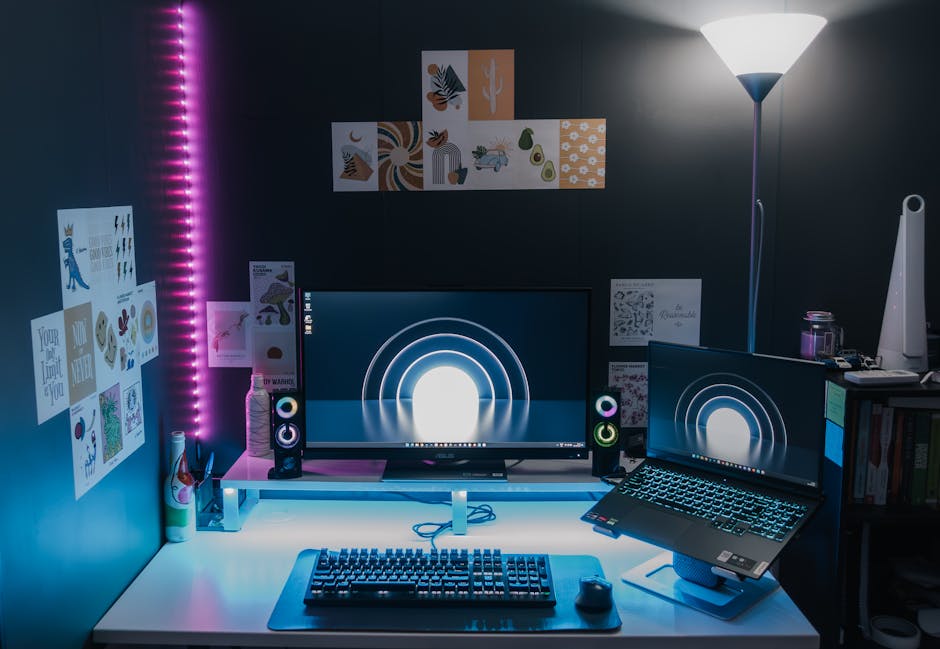
- Wall lengths and door swings (doors must never be blocked by furniture or chair movements)
- Window locations (avoid placing a screen opposite a bright window to prevent glare)
- Electrical outlets (you'll need these for your monitors, equipment, and chargers)
- Fixed obstacles like radiators, built-in shelves, or low-hanging fixtures
This sketch doesn’t need to be artistic—just clear and to scale enough to plan effectively.
Step 2: Choose a Desk Size that Matches Your Equipment and Activity
It’s tempting to pick the biggest desk in the showroom, especially after browsing some cool setups online or even while casually gambling on sites like mrq.com (I mean, inspiration can strike anywhere, right?). However, buying a huge desk without measuring what you actually need can backfire.
Your desk should comfortably hold:
- Your monitors or laptop
- Keyboard and mouse
- Other work-related items like notebooks, pens, or external drives
- Leave some extra workspace for writing or other tasks
Also, consider the monitor size and orientation. For example, a 27-inch monitor with its stand may have a substantial real width and height that eats up space, which could push your keyboard and mouse position inchesguide.com forward, reducing chair clearance.
Monitor Size Versus Real Width and Height
Monitors are often described by diagonal size only, but the actual width and height can vary dramatically depending on bezel sizes and aspect ratios. I recommend measuring the monitor’s real width and height to ensure that the desk surface and the space behind your chair can accommodate your setup comfortably.
Step 3: Determine Chair Clearance—The Make-or-Break Measurement
The biggest myth I’ve faced with clients is that you only need a few inches behind your desk; this is incorrect and quite dangerous. Here’s the truth:
Space Behind Desk Purpose Typical Benefits 18-24 inches Minimal clearance Limited chair rolling, tight quarters, uncomfortable access 30-36 inches (recommended) Safe rolling and chair movement Free chair rollout, space to stand, ease of getting in and out Above 36 inches Spacious clearance Room for additional seating, storage carts, or movement
OSHA’s recommendation—and what I personally endorse—is at least 36 inches behind desk clearance. This distance provides enough room for the chair to roll back fully, for the user to stand up without squeezing, and to keep the floor clear of clutter that can cause accidents.
Don't Forget To Keep Floor Clear
Once you have the space, make sure nothing obstructs your chair path. This means:
- Removing or repositioning floor lamps, boxes, or trash cans
- Avoiding cords or cables that run across chair movement areas
- Not blocking door swings with desk corners or chair arms
Anything less than a clear 36-inch radius behind the chair puts you at risk of bumping into things and limits your comfort.
Bonus Tips From a Former Fitter
- Always check outlet locations before placement. You don’t want to roll your chair back only to find your power strip or charger is out of reach.
- Account for chair pull-back space. Many overlook how far a chair’s armrests or wider seats add to the depth needed.
- Test with actual equipment. If possible, set up your chair and equipment first, then measure to confirm your clearances.
Summary: Getting Your Workspace Clearance Right
- Measure your floor space carefully with a tape measure and sketch a simple floor plan highlighting doors, windows, and outlets.
- Select a desk size suitable for your monitor(s), keyboard, and work habits. Remember to measure real monitor dimensions, not just diagonal inches.
- Ensure at least 36 inches of chair clearance behind your desk to allow rolling back safely and comfortably, per OSHA guidelines.
- Keep the floor clear of obstacles near your chair path to prevent trips and maintain ergonomic freedom.
By following these straightforward steps, you’ll create a workspace where rolling your chair back is effortless, safe, and inviting—ultimately encouraging better posture and productivity. And yes, while you’re at it, put your tape measure away carefully—you never know when you’ll need it next!