What Breaker Size Do Mini Splits Need? 15A vs 20-30A – A Practical Guide
If you’re diving into the DIY mini split world—whether upgrading from a broken whole-house AC like me or trying to avoid another failed portable unit—one of the big questions staring you down is: What breaker size do my mini splits actually need?
I’ve spent hours parsing spec sheets, wincing at vague pricing, and mentally untangling what claiming “energy efficient” actually means, all while juggling three kids who think “help” means “let me unplug everything.” Let me share what I’ve learned about breaker sizes, plus a few things no one tells you upfront, including why you want to size your breaker to spec rather than wing it, how direct-to-consumer brands like MRCOOL and Zone Air compare to dealer-installed options, and what those SEER2 and HSPF2 ratings really mean for your summer cool and winter heat—especially if you’re eyeing cold-climate performance down to -13°F.
Why Breaker Size Matters: 15A, 20A, or 30A?
Picking the right breaker size isn’t just a box-checking exercise to keep the panel happy. It’s about safety, efficiency, and making sure your mini split runs reliably without blowing fuses or, worse, posing a fire hazard. The answer often boils down to:
- Voltage: 115V or 230V
- Mini Split Power Specs: Current draw, startup surge, and continuous runtime amps
- Local Code & Manufacturer Recommendations
15 Amp Breakers: Mostly for 115V Mini Splits (Smaller Units)
Some compact mini splits, especially those designed for smaller rooms or single-zone 115V operation, can run on a 15 amp breaker. These are often easier to install in existing homes without major electrical panel upgrades. For instance, some MRCOOL systems offer compact units that plug into a standard household outlet rated for 15 amps.
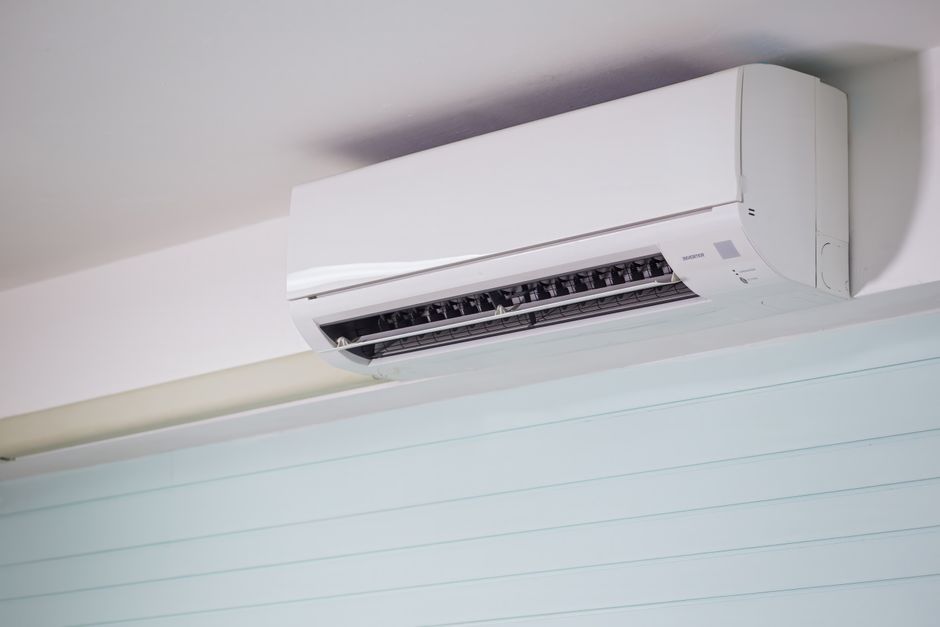
Example considerations for a 15A breaker:
- Voltage: 115V single-phase
- Current Draw: Typically under 12 amps continuous
- Breaker Size: 15 amps to accommodate startup surge safely
Keep in mind, though, those 115V systems often come with modest BTU capacity and might struggle in larger spaces or colder climates unless you’re stacking multiple units.
20-30 Amp Breakers: For 230V Mini Splits (Most Larger & Cold-Climate Units)
The more common scenario—and the one that trips up most DIYers—is sizing breakers for 230V mini splits, especially in the 9,000 to 24,000 BTU range. Most popular models from brands like MRCOOL, Zone Air, or even offerings at Home Depot require 20 to 30 amp breakers depending on the unit’s specs.
Why the range?
- 20 amps: Suitable for single-zone mini splits in the 9,000–12,000 BTU range.
- 25-30 amps: Typically needed for larger single-zone systems (18K-24K BTU) or multi-zone setups.
The key is sizing to the spec sheet rather than eyeballing it. For example, the Zone Air 12K BTU single zone (230V) model runs around $2,049.99 and usually calls for a 20 amp breaker, reflecting a balanced approach to steady draw and startup load.
Mini Split Model Voltage Recommended Breaker Size BTU Capacity Example Price Zone Air 12K BTU single zone 230V 20 amp 12,000 BTU $2,049.99 MRCOOL DIY 24K BTU multi-zone 230V 30 amp 24,000 BTU Varies MRCOOL 9K BTU single zone 115V 15 amp 9,000 BTU VariesDirect-To-Consumer vs Dealer Network: What You’re Really Paying For
This is where the DIY mini split journey gets interesting—and let’s be honest, a little confusing. You see, brands like MRCOOL and Zone Air deliver units direct to you, the end user, piping up many folks tempted by the promise of “DIY install and save.” On the flip side, dealer networks and Home Depot often market pre-packaged costs bundled with professional installation, markup and all.
- Direct-to-Consumer Pros: Lower upfront unit prices, access to tools like quick connect fittings, pre-charged line sets, and detailed spec sheets.
- Cons: You handle electrical and refrigerant connections yourself—unless you hire pros. Plus, you’re on your own if you mess up.
- Dealer/Big Box Pros: Turnkey solutions, less hand-wavy assumptions about electrical upgrades, warranty support.
- Cons: Markups on equipment and installation may double the price. Plumbers and electricians might use coiled extra copper behind the condenser, which irritates the heck out of me (please don’t do that on your house).
Also, don’t fall for vague promises about “lower operating costs” without seeing updated efficiency ratings like SEER2 and HSPF2—brands sometimes rely on older SEER/HSPF ratings that don’t translate perfectly to real-world savings.
SEER2 and HSPF2: What They Mean, Simply
If you’re wondering why the sticker number might say “SEER 20” and online consumer reviews or sales reps talk up “energy efficiency” without clarity, here’s the scoop: The HVAC industry updated testing protocols to SEER2 (Seasonal Energy Efficiency Ratio 2) and HSPF2 (Heating Seasonal Performance Factor 2) to better match real-world performance and test conditions.
- SEER2: Updated for cooling efficiency. Producers often shave a few points compared to the legacy SEER—you might see a SEER20 unit revised to SEER18.5 in SEER2.
- HSPF2: Applies to heating efficiency and is critical if you want heat down to -13°F (crazy useful if you live in cold climates!). Again, expect slight adjustments on official ratings, but a higher HSPF2 means better winter performance.
Here’s my take as a skeptical mom and home improver: don’t buy purely on SEER/SEER2 claims without cross-checking actual energy bills or user experiences. Realistically, units like Zone Air and MRCOOL hit sweet spots between upfront expense and operating costs, especially if you follow installation best practices and don’t over-spec your breaker (or stifle your electrical panel by running coils of extra copper tubing behind your condenser—seriously, avoid that).
Cold Climate Heating: Mini Splits Down to -13°F
Some mini splits aren’t created equal when it comes to heating in winter. If you live in a cold climate (hello, frozen fingers and snow-dusted roofs!), pay careful attention to heat pump specs and cold climate certifications.
- Many new models can maintain efficient heating at outdoor temps down to -13°F, thanks to cold-climate tuning.
- Brands like MRCOOL offer systems with dual-stage compressors or variable speed tech to balance heating loads.
- Tip: Check if the included line sets are pre-charged and rated for cold conditions—some quick connect fittings are a godsend here, reducing charge loss and simplifying installs.
For my real house (if I ever move out from this chaos), cold climate mini splits are non-negotiable. I’d rather pay a bit more upfront than freeze in winter or be stuck with a heating supplement system.
Tools of the Trade: Quick Connect Fittings and Pre-Charged Line Sets
In true DIY fashion, while I bitch about coiled copper left behind condensers, I have to admit the industry has upped its game with tools that make installation more foolproof:
- Quick Connect Fittings: These let you snap line sets together without worrying about copper brazing and gas leaks—vital for amateur hands.
- Pre-Charged Line Sets: Come with refrigerant factory-charged, so you don’t have to measure and evacuate gas—especially helpful for those who hate playing HVAC ninja.
Both features are standard on many MRCOOL and Zone Air systems, making them the default choice for DIYers who want to avoid the learning curve but still do the heavy lifting themselves.
Summary: How to Size Your Breaker for DIY Mini Splits
- Check your unit’s spec sheet. Identify the recommended breaker size based on voltage and amp draw.
- Match voltage. 115V units usually need a 15A breaker; 230V units mostly need 20-30A based on BTU size.
- Respect local electrical code and manufacturer guidelines. Don’t underestimate the startup surge current.
- Consider your installation style. Pre-charged line sets and quick connect fittings will simplify wiring but don’t DIY electrical work unless you’re certified or comfortable.
- Balance upfront cost vs efficiency. Look beyond marketing words and check SEER2 and HSPF2 ratings for realistic efficiency.
- Plan for climate. Choose models rated for cold climate operation if you’re in colder areas.
Final Thoughts
DIY mini splits offer fantastic value, especially with direct-to-consumer https://thehowtohome.com/mrcool-vs-zone-air-mini-splits/ brands like MRCOOL and Zone Air, which bring down the price tag—like that $2,049.99 Zone Air 12K BTU single zone unit you can order today online or from places like Home Depot. But there’s no substitute for sizing breakers to spec, understanding where tradeoffs lie, and respecting both electrical safety and real-world efficiency.
And if you ask me, avoid that awful practice of coiling extra copper behind the condenser like you’re wrapping Christmas lights. It’s not a game, it’s your home—and your safety—on the line.
Want more practical tips on DIY mini splits and home comfort? Stick around—I’ve got plenty more battle-tested advice coming your way.