What Happens If My Mini Split Is Undersized and Runs Nonstop?
A mini split that seems to run all day can be doing exactly what it was designed to do—or struggling to heat or cool a space that is too large, too leaky, or too demanding for its capacity. Inverter-driven systems commonly run for long stretches at low output instead of cycling on and off like older equipment. The key question is whether the system can still hold a comfortable temperature.
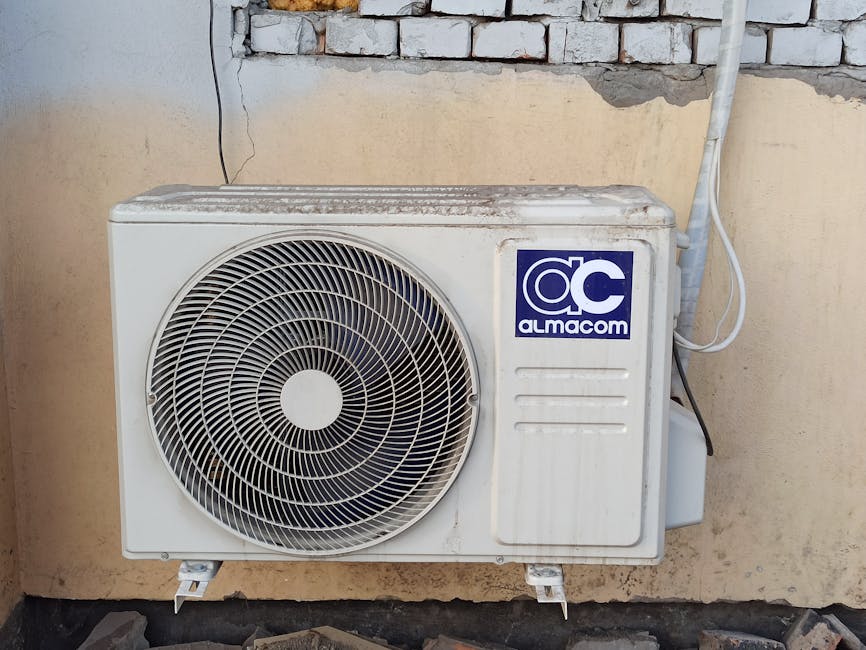
If your mini split can’t keep up, the room stays uncomfortable, or the system runs at full tilt without reaching its thermostat setting, undersizing is one possibility. But dirty filters, installation problems, low refrigerant, poor airflow, and extreme outdoor temperatures can produce similar symptoms. Here’s how to tell the difference, what nonstop operation means for your electricity bill, and what to check before replacing equipment.
What “DIY mini split” means in 2026
In 2026, a DIY mini split generally means a ductless heat pump kit designed to simplify parts of installation for a homeowner. Some kits use factory-charged line sets and specialized connections that reduce refrigerant work at the indoor and outdoor units. MRCOOL is one familiar example of a company selling DIY-oriented systems.
“DIY,” however, doesn’t mean every part of the job is tool-free, permit-free, or suitable for every homeowner. You still need a suitable mounting location, a correctly sized wall penetration, secure mounting, condensate drainage, weatherproofing, and a properly planned electrical supply. Local rules may require permits or licensed electrical work. A dedicated circuit, breaker, wire size, disconnect, and grounding must match the equipment nameplate and local electrical code—not a guess based on the unit’s advertised size.
Line-set routing is another real-world pain point. A line set that is too long may need to be routed neatly and any excess handled according to the manufacturer’s instructions; casually coiling it behind the outdoor unit can cause service and performance headaches. Follow the specific installation manual, including limits on line length, elevation, and connection procedures. If the project involves unfamiliar electrical work, difficult access, or a system that needs conventional refrigerant charging, bring in a qualified installer.
Undersized mini split symptoms to watch for
Run time alone is not a diagnosis. In mild weather, an inverter mini split may operate for hours while using less power than a system that repeatedly starts and stops. Pay attention to comfort, operating conditions, https://oliviamaids.com/can-a-multi-zone-diy-system-heat-and-cool-a-whole-house/ and whether the unit has enough capacity during the hardest part of the season.
- The room never reaches the set temperature. The system runs steadily, but the bedroom remains warm on a hot afternoon or the garage stays cold on a winter morning.
- The temperature falls behind during extreme weather. It handles ordinary days but loses ground when outdoor temperatures are unusually hot or cold.
- The unit appears to run at maximum output for long periods. High fan speed, a consistently busy outdoor unit, and little temperature improvement can point to excessive load—but they can also indicate a fault.
- Comfort is uneven. A room near the indoor head feels acceptable while the far end of an open area does not. This may reflect poor air distribution or placement rather than insufficient rated capacity.
- Heating or cooling takes much longer than expected. Recovery can be slow after a setback, especially in a poorly insulated room.
One important distinction: if the unit holds the target temperature and feels comfortable, long operation may simply be normal modulation. If it cannot maintain temperature under conditions the equipment should handle, investigate further.
Why a mini split can’t keep up
Undersizing means the system’s available heating or cooling capacity is lower than the room’s heat gain or heat loss at the design conditions. A 12,000-Btu/h unit, for example, is not automatically right for every room that someone describes as “about 500 square feet.” Ceiling height, insulation, window area, sun exposure, air leakage, occupancy, and climate all affect the load. A garage with an uninsulated door can need far more capacity than a well-insulated bedroom of similar size.
There are also explanations unrelated to the original equipment size:
- Restricted airflow: A clogged filter, blocked return, or furniture placed too close to the indoor head can reduce performance.
- Dirty coils: Dust and debris on indoor or outdoor coils interfere with heat transfer.
- Installation or refrigerant issues: Incorrect line-set work, a leak, or another setup problem can limit capacity. Refrigerant work should be handled by an appropriately qualified technician.
- Heat loss or gain beyond the estimate: Drafty doors, uninsulated walls, and afternoon sun through large windows add load.
- Wrong operating settings: “Auto” mode, a restrictive fan setting, or an incorrect mode can make troubleshooting confusing. Check the manual and select heating or cooling intentionally.
- Defrost operation in winter: A heat pump may temporarily pause indoor heating while it defrosts the outdoor coil. Frequent or prolonged problems merit a service check.
Before blaming capacity, clean the filters as directed, make sure the indoor and outdoor units have clear airflow, and note the indoor and outdoor temperatures. If the system still cannot hold the setpoint, ask an HVAC professional to check performance and compare it with a room-by-room load calculation.
Does a heat pump that runs constantly cost more?
A heat pump that runs constantly is not automatically wasting energy. Inverter systems adjust compressor speed to match demand. A long, lower-speed run can use less electricity and provide steadier comfort than repeated high-power starts. But when an undersized unit has to run near its maximum output and still cannot meet the load, it may consume substantial electricity without delivering the comfort you expect.
Operating cost depends on more than the length of time the unit is on. It depends on electricity rates, actual power draw, weather, room heat loss or gain, thermostat settings, and equipment performance at the conditions you experience. A simple way to estimate cost is:
Electricity cost = average power use in kilowatts × hours of operation × your electricity rate per kilowatt-hour.
For example, if a system averages 1.2 kW for 10 hours and electricity costs $0.20 per kWh, the estimated cost for that period is $2.40. That is only an illustration: actual draw changes as an inverter ramps up or down, and a nameplate rating is not a promise of constant consumption. A plug-in energy meter may not be appropriate for a permanently wired mini split; use monitoring intended for the equipment or ask an electrician about a safe measurement method.
SEER2: useful efficiency information, not a bill guarantee
SEER2 measures seasonal cooling efficiency under a standardized test procedure. A higher SEER2 rating generally means more cooling output per unit of electricity across the test season, all else being equal. It does not tell you that a unit is correctly sized, that it will perform identically in every climate, or that a particular household bill will fall by a specific percentage.
For heating, compare the equipment’s heating performance and efficiency data at relevant outdoor temperatures—not just its cooling SEER2 number. Ask for the model-specific performance tables and look at delivered capacity at the winter temperatures common in your area. A unit that looks suitable based on its nominal capacity at mild conditions may deliver less heat when it is very cold outside.
To compare two systems fairly, check the same type of data: capacity at your design temperature, SEER2, heating efficiency ratings where applicable, electrical requirements, warranty terms, and installation costs. A higher-rated model may cost more upfront, and a bigger unit is not automatically a better choice. Proper sizing and installation matter as much as the headline efficiency number.
Cold climates, low-temperature capacity, and “Hyper Heat”
Cold-weather performance deserves special attention if the mini split is expected to heat a bedroom, addition, or garage through winter. As outdoor temperatures drop, a heat pump’s available heating capacity and efficiency can change. Different models behave differently, so look up https://cleaneverycorner.com/is-it-true-hvac-total-system-prices-rose-more-than-500-since-2016/ the exact unit’s capacity at the temperatures you actually experience.
“Hyper Heat” is used as a product name for certain cold-climate heat pump lines; it is not a universal performance rating that applies to every mini split. Don’t rely on the label alone. Ask the manufacturer or dealer for the model’s low-temperature heating capacity, operating range, and any performance data at your local winter design temperature. Also ask whether backup heat is needed and how it will be controlled.
During cold snaps, normal defrost cycles can briefly interrupt warm air delivery. That is different from a system that cannot maintain the room temperature hour after hour. Keep the outdoor unit clear of snow and debris, while respecting the manufacturer’s required clearances and drainage instructions. In a garage, remember that an uninsulated door and air leaks can overwhelm an otherwise capable heat pump.

Zone Air vs. MRCOOL: the value tradeoff
When comparing Zone Air and MRCOOL, focus on the complete project rather than treating brand or purchase price as the whole value story. MRCOOL’s DIY-oriented options may appeal to homeowners who are comfortable with careful installation and want to handle some labor themselves. Savings can shrink if the project needs electrical upgrades, a new circuit, special mounting work, or professional help to resolve an installation issue.
Zone Air may be part of a different buying or installation path, depending on the specific product and service being offered. Confirm exactly what is included in the quote: equipment, delivery, permits, electrical work, installation, commissioning, and follow-up service. Don’t assume a company name tells you whether a unit is professionally installed, what warranty applies, or who handles service in your area.
For either option, compare:
- Model-specific heating and cooling capacity at your design temperatures
- SEER2 and heating performance data, not just “high efficiency” claims
- What installation tasks you must complete and which require a licensed trade
- Warranty coverage, registration deadlines, exclusions, and who performs repairs
- Availability of replacement parts and local service support
- Total installed cost, including electrical work and any required permits
Reviews can add context but are not a substitute for checking terms. If you read Trustpilot feedback for mrcool.com, look for patterns in recent reviews about delivery, product support, parts, and warranty handling. A review is one customer’s experience, not proof that every claim will be easy—or difficult—to resolve. Read the actual warranty and ask who is responsible for diagnosing a problem before buying.
Can Google Assistant help with a mini split?
Some mini splits can be controlled through a Wi-Fi module, a compatible app, or a separate smart controller that works with Google Assistant. Compatibility varies by model, accessory, region, and software support. Check the exact product’s current compatibility list before assuming you can change the temperature by voice.
Voice control can be convenient in a bedroom or home office, but it cannot compensate for inadequate capacity. If you use schedules or voice commands, avoid frequent large temperature changes that make the system work harder to recover. Set a comfortable target, keep doors and airflow conditions consistent, and monitor whether the room actually reaches that target.
What to do if your mini split runs nonstop
- Check the basics. Clean the filter, confirm the correct mode and setpoint, and clear obstructions around both units.
- Record conditions. Note the indoor temperature, outdoor temperature, setpoint, and how long the unit has been running.
- Look for load problems. Check for drafts, open doors, uninsulated surfaces, and excessive sun exposure. In a garage, inspect the door seal and insulation.
- Review model data. Find the exact model number and check its capacity at your local design conditions, not only its nominal capacity.
- Call for a performance check. If the system still cannot maintain comfort, have a qualified technician inspect airflow, coils, refrigerant-related issues, installation, and controls.
- Get a load calculation before upsizing. A room-by-room calculation can distinguish an undersized unit from a building-envelope or distribution problem.
The bottom line
Nonstop operation by itself does not prove your mini split is undersized. If it runs steadily but holds the set temperature, that may be normal inverter operation. If your mini split can’t keep up, especially during ordinary weather, treat it as a reason to investigate—not as an automatic cue to buy a larger unit. Check airflow and installation first, compare actual performance with the unit’s low-temperature capacity, and make sizing decisions from a proper load calculation.
Whether you choose a DIY-oriented MRCOOL system, consider Zone Air, or compare another brand such as Cooper&Hunter, judge value by the whole installed system: comfort, model-specific SEER2 and heating data, electrical requirements, service access, and warranty support. Those details matter far more than a promise that a unit is simply “high efficiency” or “built for cold weather.”